Spis
Primjena Komercijalno i industrijsko rezervno napajanje, smanjenje vršnih opterećenja i upravljanje opterećenjem
Parametar 125 kW / 241 kWh
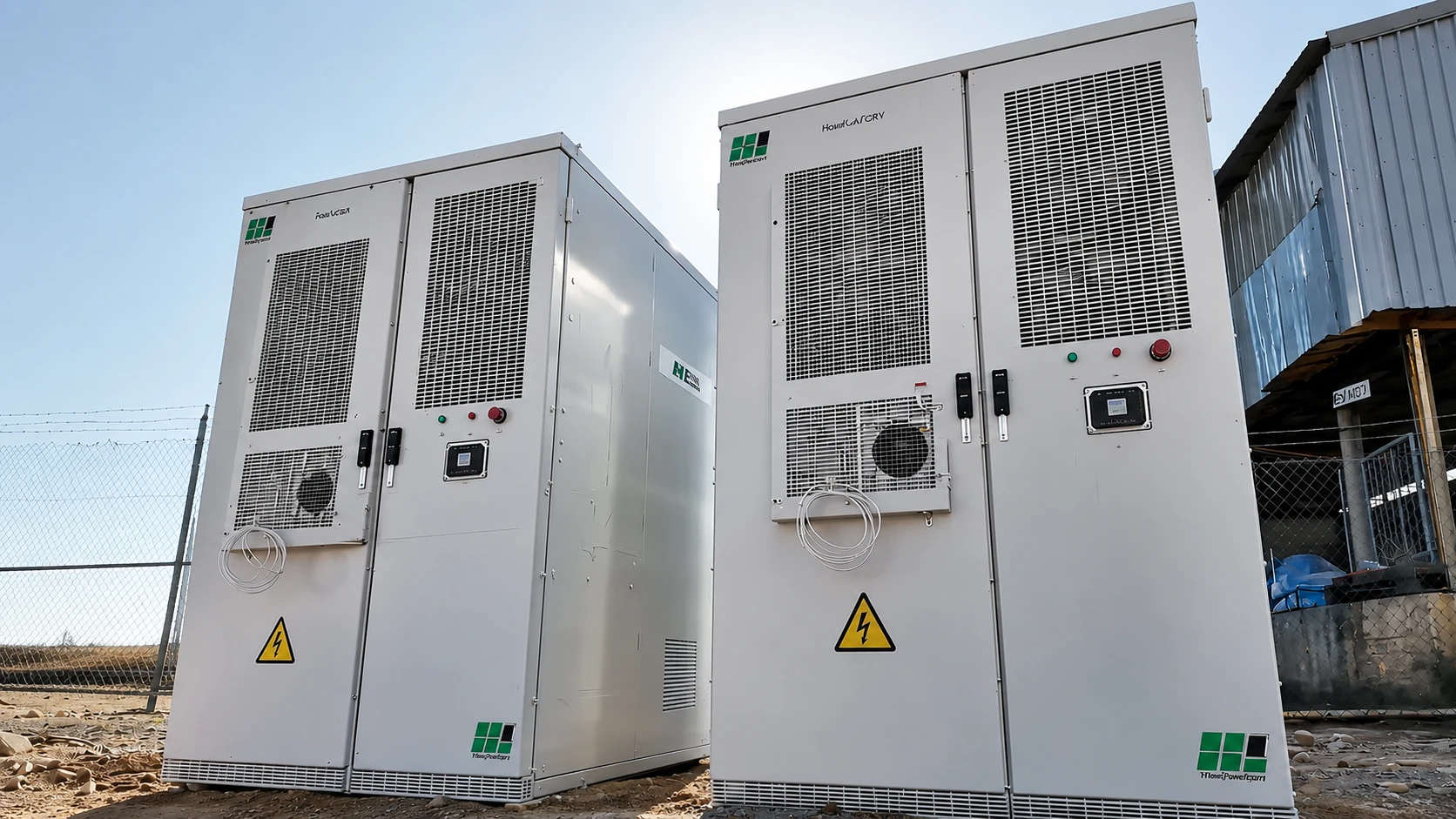
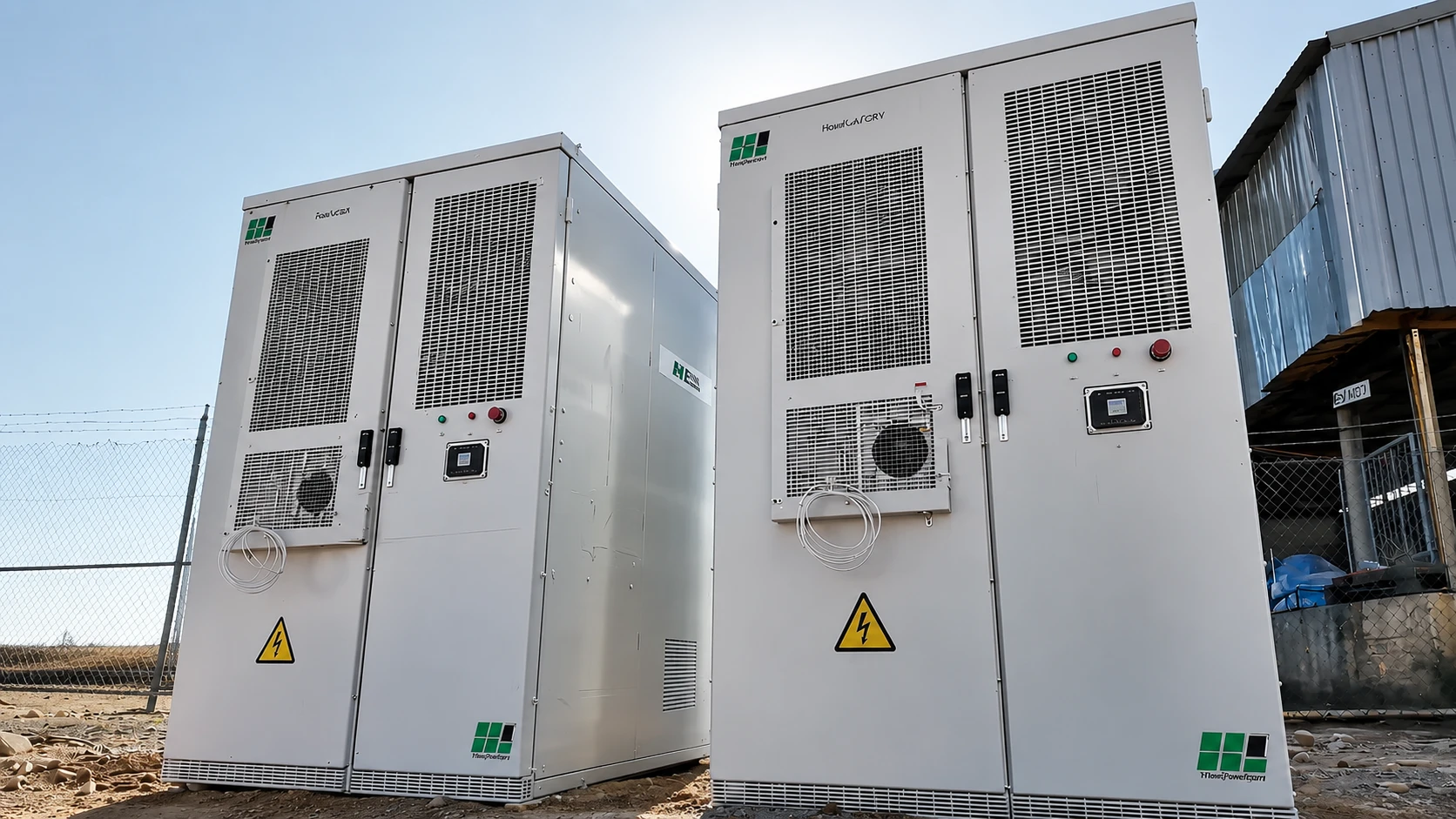
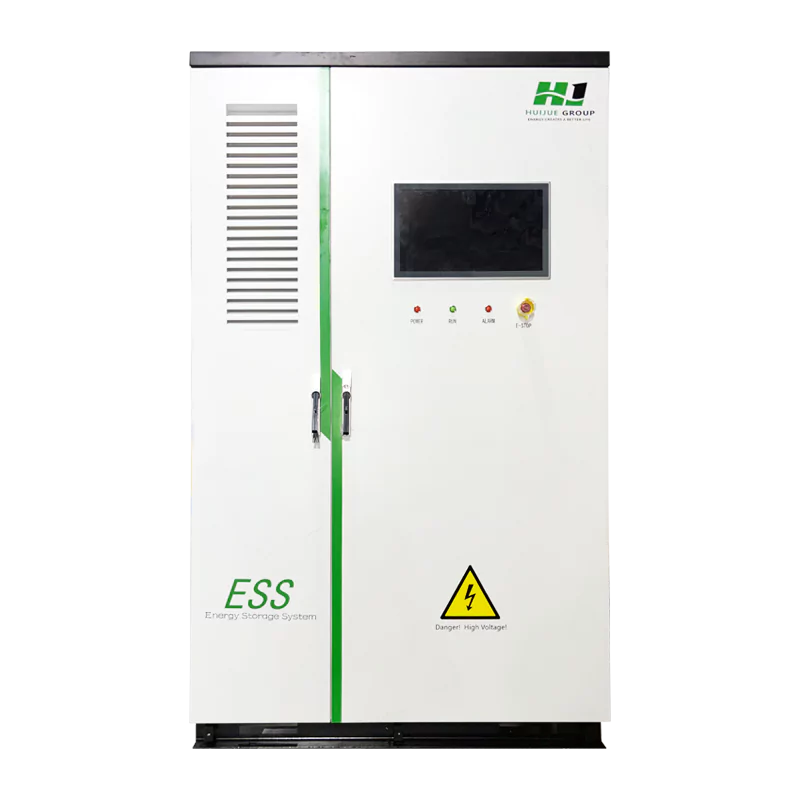
Oprema 2 × 125 kW/241 kWh zrakom hlađeni ormari za pohranu energije
Adresa Južna Afrika
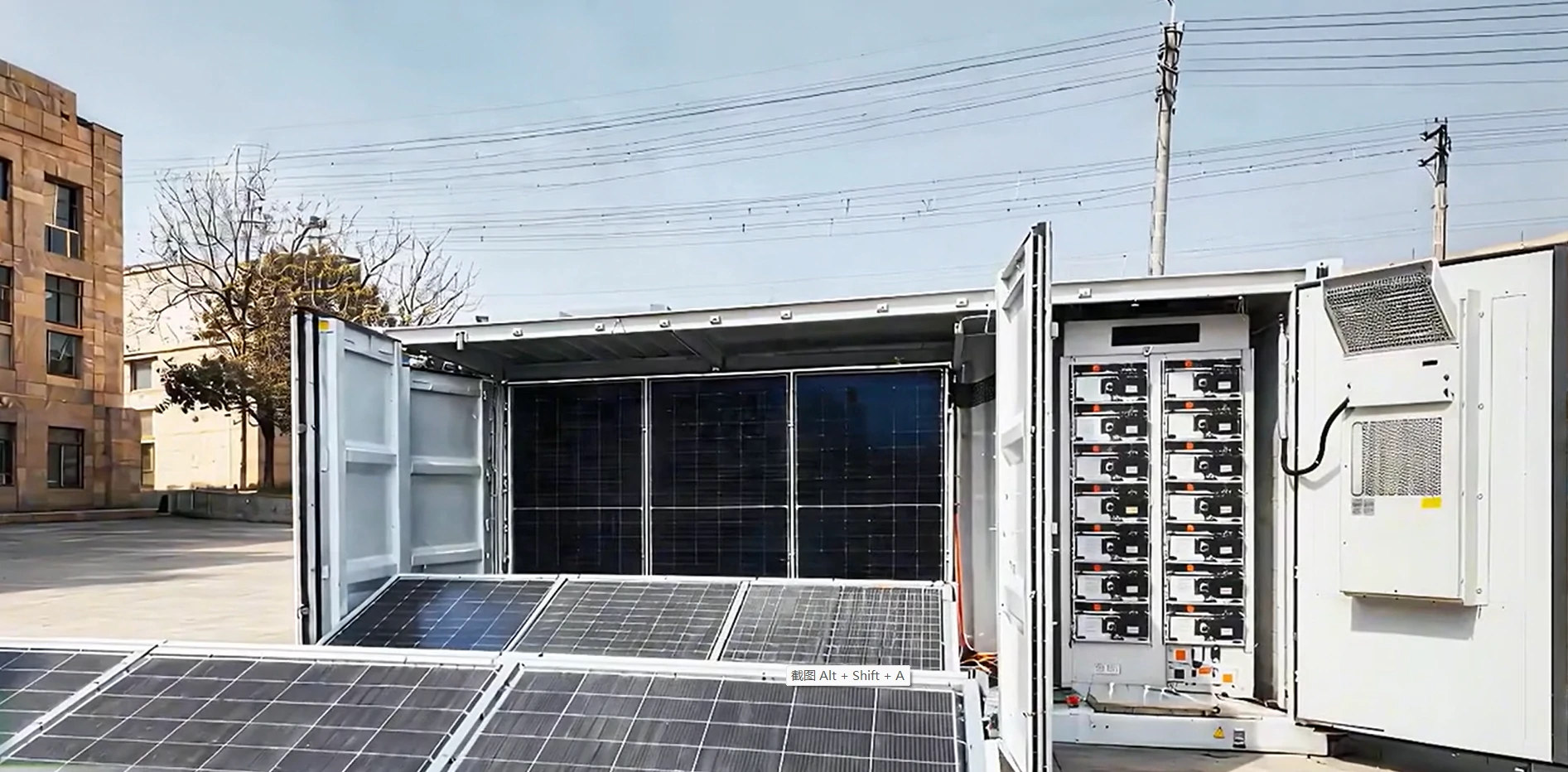
Ovaj projekt implementiran je u Južnoj Africi kako bi se zadovoljili zahtjevi lokalnog komercijalnog i industrijskog kupca za rezervno napajanje, upravljanje opterećenjem i optimizaciju energije. Sustav se sastoji od dva zrakom hlađena ormara za pohranu energije od 125 kW/241 kWh, koji pružaju ukupnu nazivnu snagu od 250 kW i ukupni kapacitet pohrane energije od 482 kWh.
Sustav podržava paralelni rad više jedinica, omogućujući dodavanje dodatnih ormara za pohranu energije prema budućem rastu opterećenja i promjenjivim potrebama za električnom energijom.
U nekim regijama Južne Afrike, ograničeni kapacitet mreže, nestanci struje i fluktuacije napona mogu poremetiti proizvodnju, rad opreme i normalne poslovne aktivnosti. Tradicionalna rješenja dizelskih generatora uključuju visoke troškove goriva i održavanja, kao i buku, emisije i složeno svakodnevno upravljanje.
Kako bi se zadovoljili zahtjevi kupaca za pouzdanošću napajanja, kontrolom troškova i praktičnim održavanjem, ovaj projekt usvaja integrirano rješenje za pohranu energije u baterijama hlađenim zrakom. Sustav poboljšava mogućnost rezervnog napajanja, optimizira potrošnju električne energije i smanjuje pritisak na mrežu tijekom razdoblja vršne potražnje, pružajući kupcu stabilniju, fleksibilniju i isplativiju opskrbu energijom.
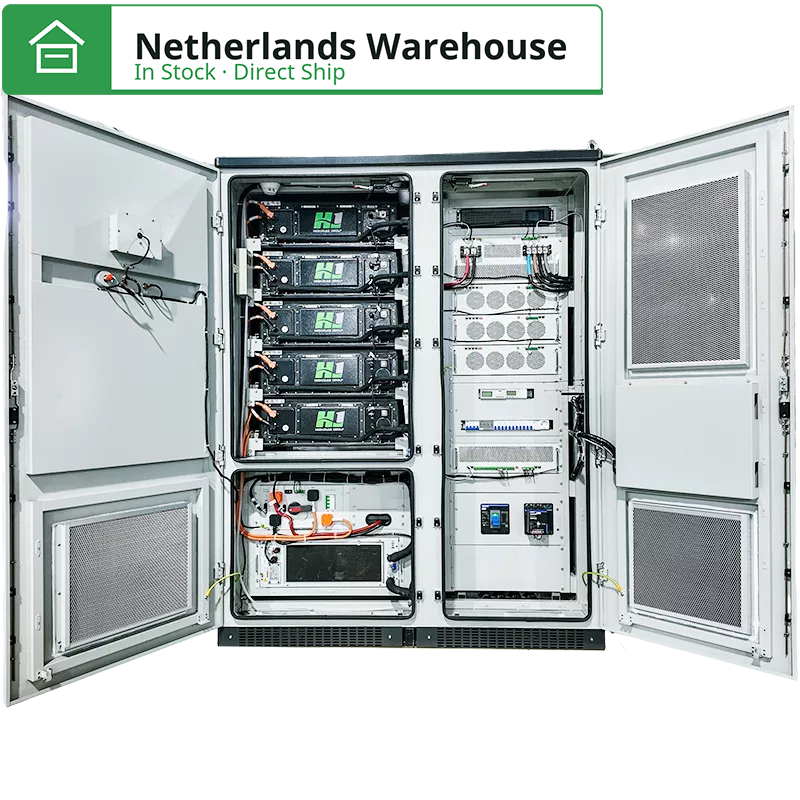
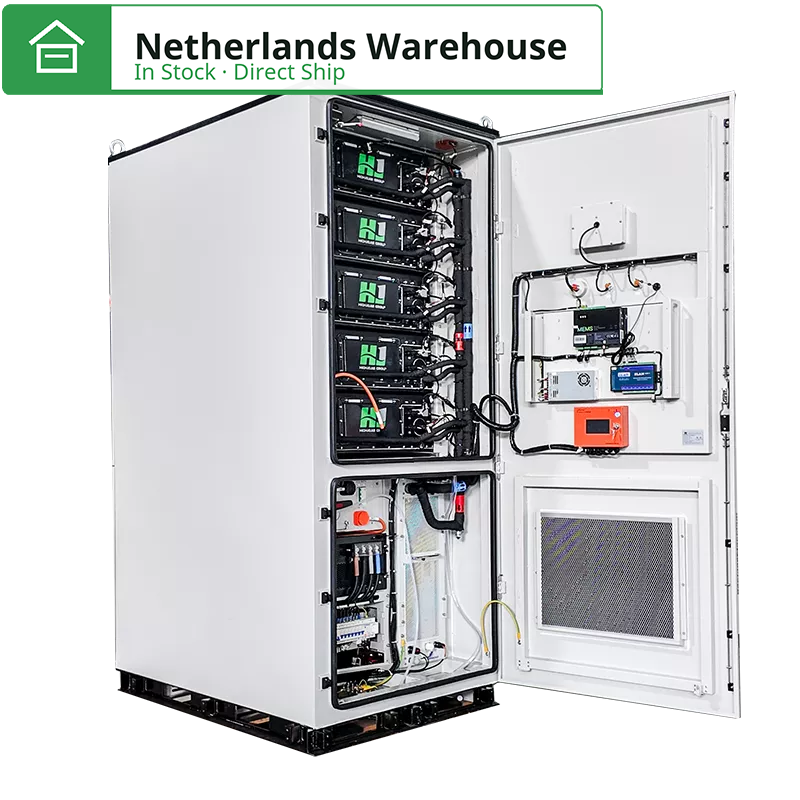
Projekt uključuje dva vanjska zrakom hlađena ormara za pohranu energije, svaki nazivne snage 125 kW i kapaciteta pohrane energije od 241 kWh.
Pri paralelnom radu, dvije jedinice pružaju:
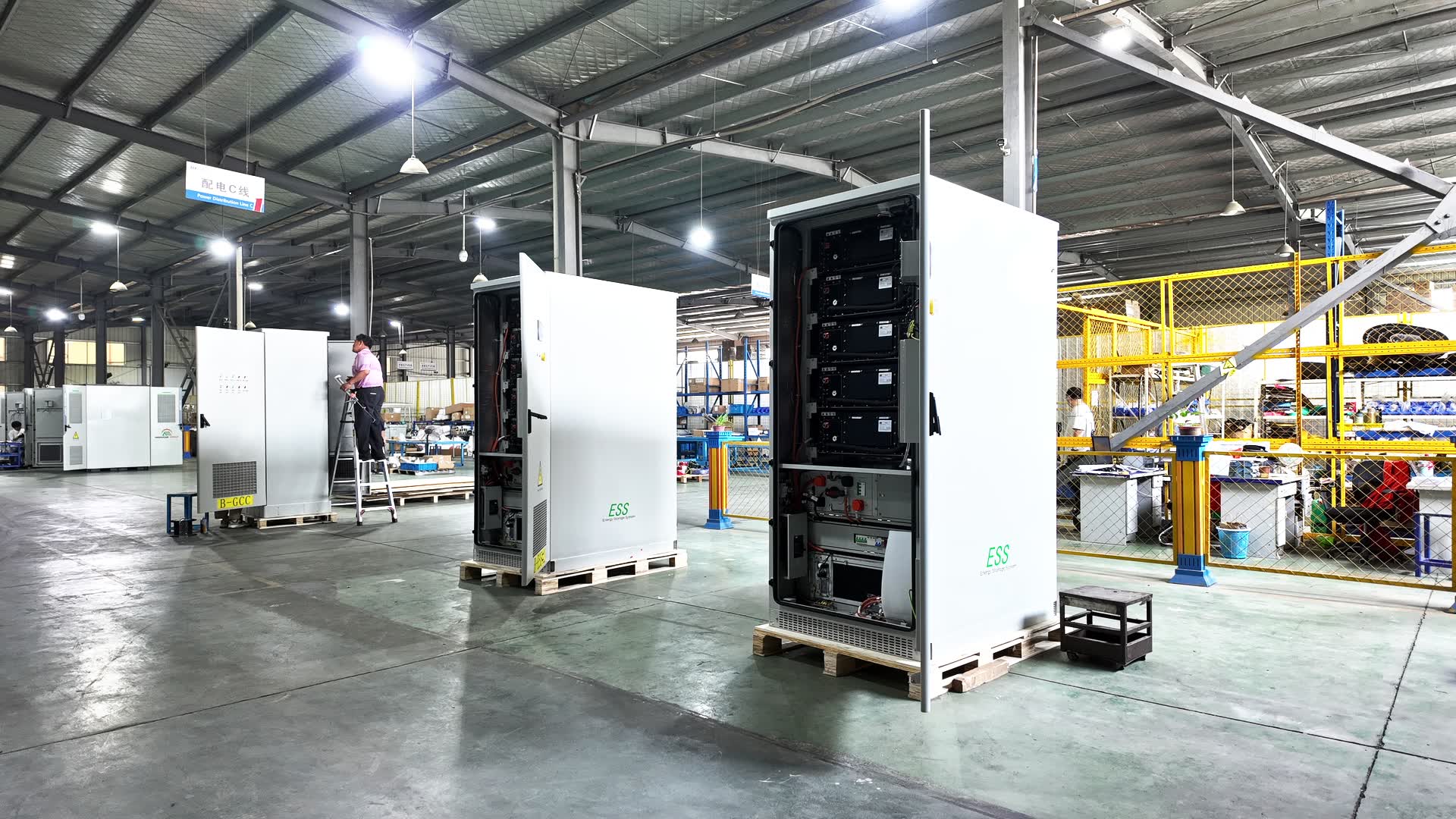
Svaki ormar integrira sustav baterija, sustav za pretvorbu energije (PCS), sustav za upravljanje baterijama (BMS), sustav za upravljanje energijom (EMS), sustav za kontrolu temperature, sustav zaštite od požara i komponente električne zaštite.
Ovaj visoko integrirani dizajn smanjuje instalaciju opreme na licu mjesta i puštanje sustava u rad. Također skraćuje razdoblje implementacije projekta i minimizira rizike kompatibilnosti između različitih komponenti sustava.
U normalnim uvjetima mreže, sustav se može puniti tijekom razdoblja niske potražnje ili nižih tarifa na temelju operativne strategije kupca. Pohranjena energija zatim se može isprazniti tijekom razdoblja vršne potražnje kako bi se smanjila vršna potrošnja mreže i optimizirao profil potrošnje električne energije kupca.
Kada u mreži dođe do prekida u napajanju, fluktuacija napona ili nedovoljne opskrbe napajanjem, sustav za pohranu energije može podržati kritična opterećenja prema konfiguriranoj strategiji upravljanja. To pomaže u smanjenju zastoja u proizvodnji, prekida poslovanja i gubitaka uzrokovanih neočekivanim nestancima napajanja.
EMS kontinuirano prati i koordinira mrežu, opremu za pohranu energije i opterećenja na licu mjesta. Automatski prilagođava strategije punjenja i pražnjenja prema potražnji opterećenja, stanju napunjenosti baterije i uvjetima rada sustava, poboljšavajući ukupnu učinkovitost korištenja energije.
Projekt usvaja zrelu arhitekturu zračnog hlađenja. Optimizirani unutarnji kanali za protok zraka i sustavi za praćenje temperature osiguravaju kontinuirano odvođenje topline za baterijske module i opremu za pretvorbu energije.
U usporedbi sa složenijim sustavima tekućinskog hlađenja, rješenje hlađeno zrakom eliminira rashladne cjevovode, rashladnu tekućinu, pumpe i druge komponente za cirkulaciju tekućine. To rezultira jednostavnijom strukturom sustava, lakšim rutinskim pregledom i praktičnijim dugoročnim održavanjem.
Zračno hlađenje također pomaže u smanjenju početnih ulaganja u opremu te dugoročnih troškova rada i održavanja.
Kako bi se prilagodila uvjetima visoke temperature i prašine na otvorenom koji se nalaze u dijelovima Južne Afrike, oprema koristi dizajn vanjskog kućišta otpornog na vremenske uvjete u kombinaciji s inteligentnom ventilacijom, kontrolom temperature i mehanizmima zaštite sustava. Ove značajke poboljšavaju stabilnost rada u zahtjevnim uvjetima okoline.
Sustav integrira tri ključne upravljačke platforme: PCS, BMS i EMS. Zajedno koordiniraju upravljanje baterijama, pretvorbu energije, nadzor sustava i raspodjelu energije.
BMS kontinuirano prati napon, temperaturu, struju, stanje napunjenosti i radno stanje baterijskih ćelija. Kada se otkrije abnormalno stanje, sustav može izdati upozorenje i aktivirati odgovarajuće zaštitne mjere.
PCS upravlja dvosmjernom pretvorbom energije između baterijskog sustava i AC sustava napajanja, dok EMS razvija i izvršava strategije punjenja i pražnjenja prema električnim potrebama kupca.
Pomoću višerazinskih mehanizama praćenja, upozorenja i zaštite, sustav može identificirati i reagirati na operativne rizike poput prenapona, podnapona, prekomjerne struje, pregrijavanja, kratkih spojeva i komunikacijskih kvarova. To poboljšava ukupnu sigurnost i pouzdanost sustava za pohranu energije.
Sustav pruža energetsku podršku kritičnim opterećenjima kada je opskrba mrežom nedovoljna ili prekinuta, smanjujući gubitke u proizvodnji i radu uzrokovane nestankom struje.
Tijekom normalnog rada, sustav za pohranu energije može također vršiti optimizaciju vršnih opterećenja, preusmjeravanje opterećenja i potrošnju električne energije. To smanjuje pritisak vršne potražnje i poboljšava kapacitet postojećeg sustava distribucije električne energije korisnika.
Korištenjem baterijskog skladištenja energije, kupac može izbjeći ili odgoditi skupe nadogradnje transformatora i druge električne infrastrukture, a istovremeno dobiti fleksibilniji pristup energiji.
Modularni sustav podržava paralelno širenje. Dodatni ormari za pohranu energije mogu se ugraditi kako se povećava proizvodni kapacitet, količina opreme ili potražnja za električnom energijom. To pomaže u izbjegavanju prekomjernih početnih ulaganja i poboljšava dugoročnu skalabilnost projekta.
Svojim integriranim dizajnom, inteligentnim upravljanjem energijom, nižim ukupnim investicijskim troškovima i praktičnim dugoročnim održavanjem, ovaj projekt pruža praktičnu referencu za komercijalne i industrijske primjene skladištenja energije u Južnoj Africi i drugim tržištima s visokim temperaturama ili slabom mrežom.
Komercijalno i industrijsko rezervno napajanje, smanjenje vršnih opterećenja i upravljanje opterećenjem
Tu smo da odgovorimo na vaša pitanja i pružimo energetska rješenja koja najbolje odgovaraju vašim potrebama.


 + 86 18721624519